
Insurance Claim Consultants Company News
3 Tips for A Business Fire Insurance Claim
Filing an insurance claim for your business after a fire can turn into a long process as you try to recover what your losses are worth. The building, your equipment and inventory, and the income you lose while you are closed are all part of the claim.
How do you file a commercial fire insurance claim? Report the fire to your insurer in writing, document all damage before cleanup, make only temporary repairs, get your own repair bids, and track your lost income and extra expenses from day one. Business interruption is often the largest and most overlooked part of a commercial fire claim.
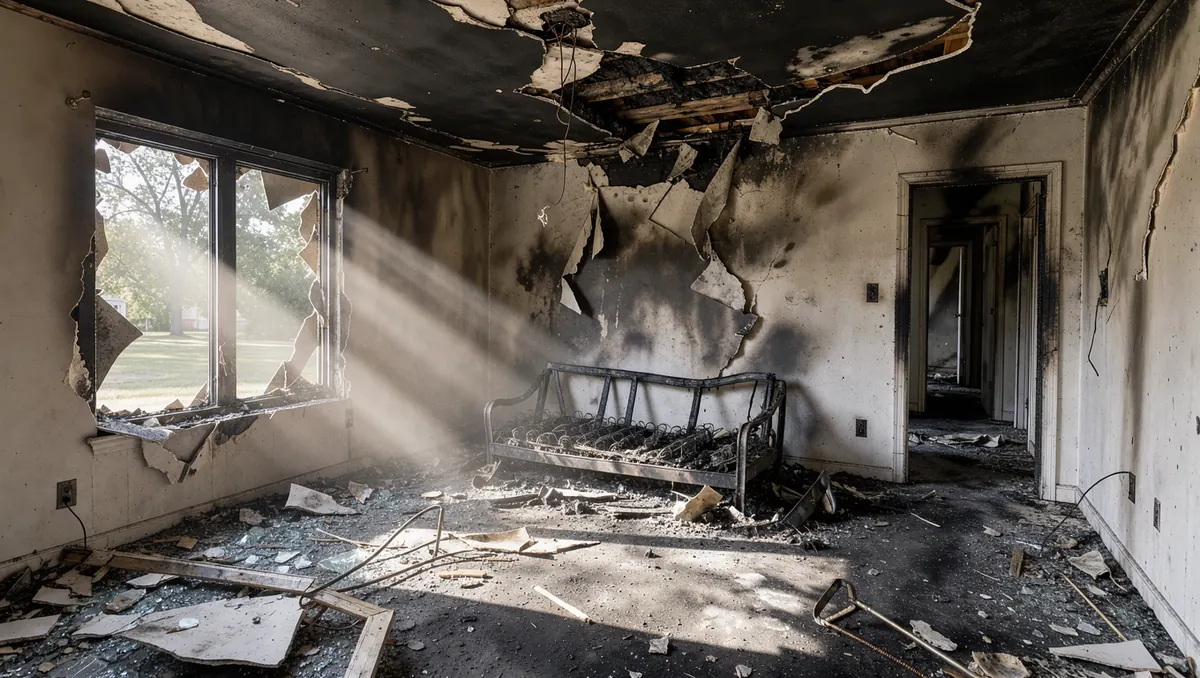
Many things affect how long a business fire claim takes. These tips help you speed it up and make sure you get what you are owed.
1. Document Damage, but Don’t Make Permanent Repairs Yet
After a fire at your commercial property, photograph and video all damage you plan to include in your claim: the building, equipment, inventory, records and signage. Resist the urge to make permanent repairs until your insurer has inspected. And do not let a restoration company run up your insurance tab!
Make temporary repairs to prevent more damage, such as boarding windows and securing the building, and keep every receipt. If anything was stolen or vandalized, call the police first, then tell your insurance company.
2. Get Several Bids
You may already have contractors you work with. Get a few more bids anyway, so you have an accurate picture of what the repairs will really cost. Again, do not let any restoration company or contractor start work before you understand the scope and the price. It eats up precious coverage.
3. Keep Tabs on Your Insurance Company
Stay on top of your claim, or it can get lost in a sea of paper. Keep detailed records of every call, email and inspection, with names and dates, and follow up regularly. In Florida, your insurer must acknowledge your claim within 7 calendar days and generally pay or deny it within 60 days of notice (Section 627.70131, Florida Statutes).
Bonus: Don’t Forget Business Interruption
If your policy includes business income coverage, it may pay the profit you lose and the continuing expenses you still have, like payroll and rent, while the business is shut down or slowed. Extra expense coverage may pay the added cost of operating from a temporary location. Start tracking from the day of the fire:
- Sales and profit records for the past few years, so lost income can be measured.
- Payroll and other ongoing expenses.
- Every extra cost you take on to keep operating.
Read the waiting period and the “period of restoration” in your policy. They control when coverage starts and stops.
Need Help?
Commercial fire claims are complex, and the business income part often needs an accountant’s analysis. Our public adjusters handle business insurance claims and fire insurance claims. See also our fire damage claim checklist. Call 24/7 at (800) 572-7914.
We provide this information for education only. It is not legal advice or a guarantee of results. Your results may vary.
North Carolina Earthquake Insurance Claim Process Starts
Tampa (June 12, 2017) – A small earthquake rattled Western North Carolina a few days ago. Despite being 2.6 magnitude, the earthquake did cause enough damage in Wilkes county that will force many property owners to start the insurance claim process. Read more
How to Get a Fair Settlement on a Fire Damage Claim
 The aftermath of a fire leaves most people feeling overwhelmed. As a result, people often give up on their claim and settle for pennies on the dollar during the fire damage insurance claim process. Stay the course! The tips below will give you the best shot at getting a fair settlement on a fire damage claim. Read more
Tips: Hiring a Hurricane Michael Insurance Claim Adjuster
 The sheer number of insurance claims following Hurricane Michael in and around Panama City Beach will inevitably force thousands of property owners to consider hiring a claims adjuster to expedite and maximize their claim settlements… As a result, property owners who consider outside help should consider the following or risk wasting time or the viability of their claims. Here are tips for hiring an independent Hurricane Michael insurance claim adjuster. Read more
Why Buying Flood Insurance When a Hurricane Threatens Won’t Help
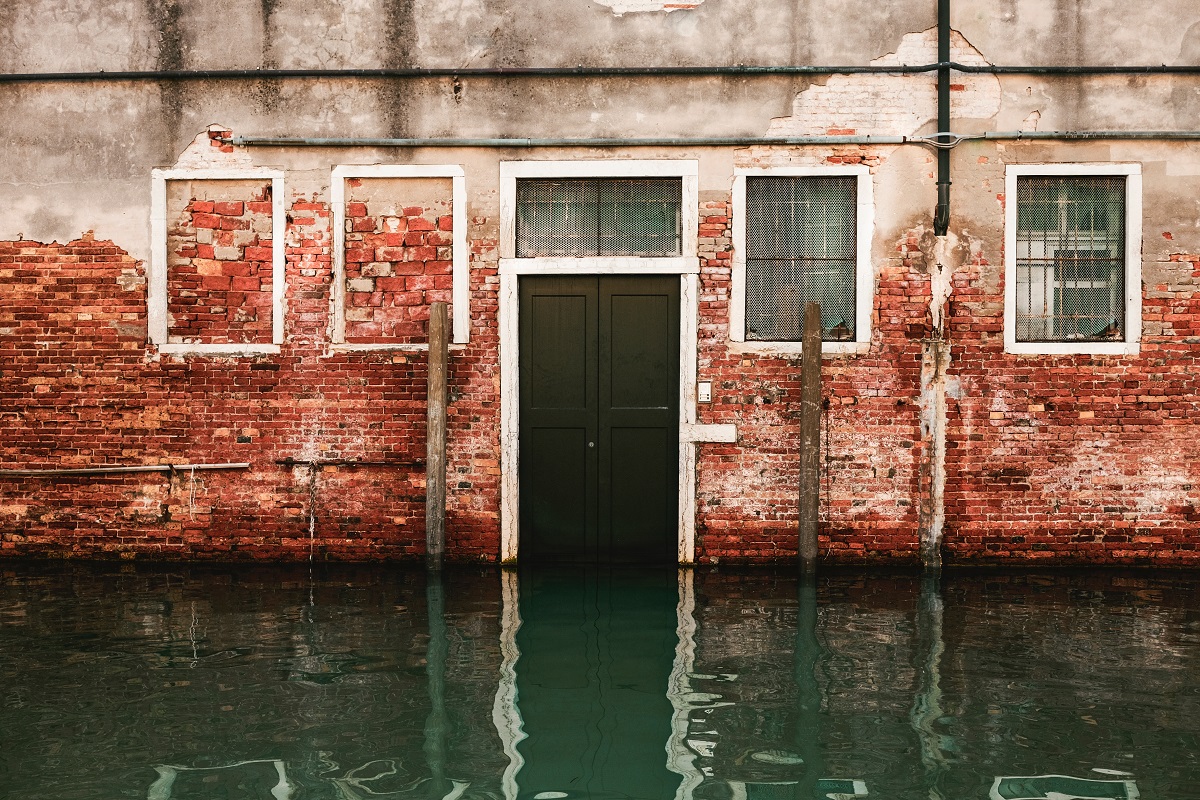 Hurricane season is upon us yet again, so if you haven’t purchased flood insurance yet, you could be testing fate.
Unfortunately, buying flood insurance as a hurricane warning is sounding in your community won’t protect you and your home, and here’s why. Read more
How a Public Adjuster Can Finally Settle That Hurricane Irma Claim
 It’s been nearly a year since Hurricane Irma hit Florida back in 2017, yet almost half of those insurance claims are still not resolved.
As we move into 2018’s hurricane season, many property owners affected by the devastating storm are worried – and for good reason – if they’ll be able to take care of repairs before another storm wreaks further damage. Read more
Hurricane Irma Insurance Claim Tips
As business and homeowners return to their properties to file claims for hurricane damage, Florida public adjuster firm, Insurance Claim Consultants (ICC), has complied tips to help expedite and navigate the hurricane insurance claim process.
3 Questions to Ask during the Insurance Claim Process
Filing an insurance claim can be a daunting task, especially if you are not sure how the process works.
What questions should you ask during an insurance claim? Start with three: What is my deductible, and which one applies? How long will my claim take, and what deadlines apply? Should I hire a public adjuster? Ask them before you sign anything, and get the answers in writing.

1. What Is My Deductible, and Which One Applies?
Your deductible is the amount you pay before insurance pays. Say you have a $1,000 deductible and $5,000 in storm damage. You pay $1,000 and your insurer pays the remaining $4,000.
Many Florida policies have more than one deductible: an all other perils deductible, a separate hurricane deductible that is often 2% or more of your dwelling limit, and sometimes a roof deductible. Ask which one your insurer applied. Our guide to the Florida hurricane deductible explains the rules.
Even if you think the damage will not exceed your deductible, you may still want to report the claim in case hidden damage turns up later.
2. How Long Will My Claim Take?
Every claim is different, and insurers are notorious for dragging out claims when they owe a lot of money. In Florida, the law sets some deadlines. Your insurer must acknowledge your claim within 7 calendar days, finish any inspection within 30 days after it receives proof of loss, and generally pay or deny the claim within 60 days of notice (Section 627.70131, Florida Statutes).
You have deadlines too: generally 1 year from the date of loss to report a claim and 18 months to file a supplemental claim (Section 627.70132). Send your documents and photos promptly so your claim does not get delayed.
3. Should I Hire a Public Adjuster?
Your insurance company assigns its own adjuster. That adjuster naturally looks out for the insurance company, not you. A licensed public adjuster works only for you.
Consider one if your damage is extensive, your claim is taking too long, your claim was denied or underpaid, or you are unsure about your policy. Before you hire anyone, read our 12 questions to ask before hiring a public adjuster and how public adjuster fees work in Florida.
Have a claim question? Call our public adjusters 24/7 at (800) 572-7914.
This information is for education only. It is not legal advice or a guarantee of results. Your results may vary.
Why Reviewing Your Insurance before Hurricane Season Can Pay Off
 Hurricane season is quickly approaching, but is your insurance policy ready? While it’s too late to update your policy after a hurricane hits, you can review your insurance policy before hurricane season to ensure that you’re covered.
Be on the lookout for these three important details for hurricane season outlined in your insurance policy. Read more
4 Tips for Maximizing Your Flood Damage Insurance Claim
 Although flood damage is not usually included in a regular homeowner insurance policy, many people who live in areas that often experience flooding obtainseparate flood insurance through the National Flood Insurance Program, or NFIP. If you’re dealing with flood damage and have a flood insurance policy, follow these four tips for getting the most out of your claim. Read more
What You Need to File an Insurance Business Claim
 As a business owner, you wear many hats. And you don’t have time to hassle with your insurance company if something goes wrong.
To ensure that your business insurance claims are accepted and fully reimbursed, there are several key things you should do. Read more
When Does It Make Sense to Hire a Public Adjuster?
 Whether you’re up against storm, fire or water damage, filing an insurance claim can be a headache if you go it alone. Instead, you might want to look into the pros and cons of hiring a public adjuster to help you file your claim.
If you find yourself in any of these situations, working with a public adjuster could be the way to go.
Read more
How Should You File Your Insurance Claim after a Fire?
 Fires can be devastating disasters, and on top of the emotional wreckage they can cause, they can also be a financial burden on a homeowner or business owner. If you need to file an insurance claim after a fire, keep these tips in mind to help make the process go as smoothly as it possibly can.
Read more
4 Tips to Handle Your Property Insurance Claim Like a Boss
 No matter which way you slice it, having to file a property insurance claim isn’t fun. That said, the process doesn’t have to be a huge headache and a total time suck for you. Follow these four tips for handling your insurance claim like a boss and kicking stress to the curb.
Read more
What to Ask Public Adjusters about Their Education & Training
 If you need to file a homeowner or business insurance claim, hiring a public adjuster to help ensure that you get the maximum amount you’re owed can be beneficial. When choosing the right public adjuster, you’ll want to ask some questions about his or her education and training to make sure you’re working with an experienced leader in the field.
These three questions can help you gauge the experience level of a public adjuster so you can make an informed decision on who to hire.
Read more
4 Tips to Survive the Insurance Claims Process with Your Sanity Intact
 If you need to file an insurance claim, you might be feeling overwhelmed or even downright confused. This process can be a bit daunting, especially if you’ve never had to go through it before. To help you get through the process without losing your mind, here are four must-know insurance claim tips.
Read more
Water Damage vs. Flood Damage: What’s the Difference?
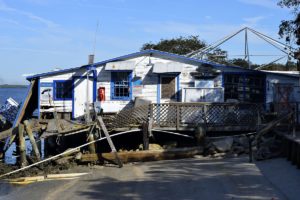 At first glance, water damage and flood damage might seem to be one in the same. After all, they both involve large quantities of water entering your home or business and causing damage. Here’s the catch, though: one of these types of damages is usually included in a regular insurance policy while the other is not.
Take a closer look at water damage vs. flood damage and what this means for your home or business in the event of an emergency.
Read more
What Qualifications Should You Look for in a Public Adjuster?
 Let’s say you needed to hire a plumber or an electrician to work in your home. You would expect him or her to have certain qualifications, right? Well, the same goes for hiring a public adjuster to help you file an insurance claim. In fact, there are specific requirements to be a public adjuster set by the state in which they’re located.
Read more
How a Public Adjuster Makes the Insurance Claim Process Easier
 Nobody wants to have to file an insurance claim, but when disaster strikes, dealing with your insurance company is unavoidable. Thankfully, you can help to make this process run as smoothly as possible by working with a public adjuster instead of the adjuster that your insurance company sends. Here are just some of the many benefits of hiring a public adjuster for your claim.
Read more
Storm Damage That May & May Not Be Covered by Insurance
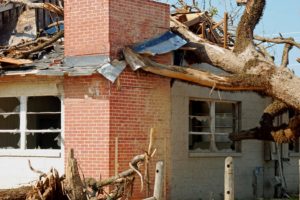 After a major storm, many home and business owners are taken by surprise when their storm damage insurance claim is denied. Unfortunately, not all insurance policies cover every type of damage that might happen to your home or business after a storm. To get a better idea of what your policy may or may not cover, here’s an overview of some of the most common types of storm damage that insurance won’t pick up.
Read more
What Types of Natural Disasters Are Covered by Insurance?
 When you take out a homeowner’s insurance policy, you’re probably hoping you never have to use it. But the reality is that natural disasters can strike at any time, so it’s a good idea to know what your insurance policy covers and whether storm damage is included.
While every policy is different, here’s some general information about which types of storm damage are typically covered by homeowner’s insurance.
Read more
3 Tips to Avoid an Unpaid Insurance Claim on Your Roof
 Filing an insurance claim for roof damage can be tricky, especially if you’re not sure of the ins and outs of what your policy covers. After Hurricane Irma, many home and business owners found out the hard way that not all roof repairs and replacements would necessarily be covered by insurance. If you’re missing shingles after a storm (or worse!), take a look at these three tips to make sure you get what’s owed to you.
Read more
What’s a Public Adjuster and Do You Need One?
 Experiencing flooding, storms, water damage, fire damage or another disastrous event can be an overwhelming and very difficult time for any homeowner or business owner. Once the damage has been done and you’re left to begin the insurance claim process, you might not know where to start. A public adjuster can help.
Read more
Are You a Target for Hurricane Damage Insurance Scams?
 Unfortunately, the aftermath of a major storm inevitably attracts con artists and scammers looking to take advantage of overwhelmed homeowners. To avoid insurance scams after hurricane damage, keep these three key tips in mind.
Read more
4 Steps to Follow for a Stress-Free Hurricane Damage Insurance Claim
 Filing an insurance claim for hurricane damage might sound like a stressful process, but with the right documentation and organization, it doesn’t have to be. Follow these four important steps to help make filing a claim as hassle-free as possible.
Read more
How to Document Hurricane Damage before You File Your Insurance Claim
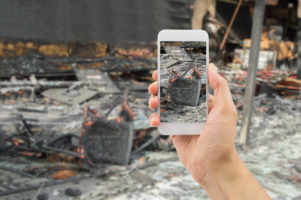 If you’ve been affected by Hurricane Irma or another major storm, returning to your home and picking up the pieces can feel like an overwhelming task. But it’s crucial that you take the time to properly document any damages to your home or property to file an insurance claim for hurricane damage.
Read more
Top 5 Post-Irma Tips to Follow
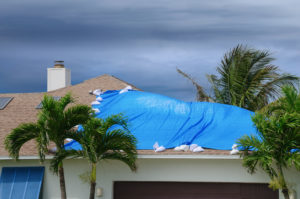 Hurricane Irma was one of the most catastrophic storms to ever hit Florida and other states along the east coast, leaving floods, power outages and widespread destruction in its path. If you and your family were affected by this hurricane, keep these tips in mind as you begin your recovery after Irma and assess the damage done to your home.
Read more
Storm Damage Claims: Under Pay, Delay, Deny
Do you have a storm damage insurance claim that you’ve reported to the insurance company? Don’t be an actuarial statistic. Without a claim expert or public adjuster, many insurance companies depend on any one, if not all, of the under pay, delay, deny or defend tactics to keep settlement proceeds in their bank and out of your pocket. Read more
What’s the Difference Between Public Adjuster & Insurance Adjuster
Understanding the Difference Can Make a Huge Impact on a Homeowner or Commercial Insurance Claim
Carrying insurance coverage is a necessary evil if you’re a property owner. It’s not exactly pleasant to consider how much the premiums you pay add up to over the course of several years or decades—money that could easily have Read more
Understanding Your Options to Repair, Replace & Rebuild after a Fire
There’s nothing more devastating than recovering from fire damage. Not only have so many of your cherished things been completely destroyed, but what’s left is often covered in soot and/or the haunting smell of smoke—a continuous reminder of the atrocity you’ve somehow managed to survive.
Read more
Fire Insurance Claims Tips
The fire insurance claim process is inherently complex. To make matters worse, insurance companies often cut corners or misdiagnose the full cost to repair a property. By nature, fire claims require attention to detail during the claim process. Trusting homeowners and business owners blindly follow the lead of the insurance company’s claim adjuster at their own expense. This often results in delays, low settlements and even denied fire insurance claims. Don’t wait until it’s too late. Follow these fire insurance claim tips complied by our experienced public adjusters which will help ensure a fast and accurate claim settlement for you.
Read more
Hiring Professional Insurance Claim Help in Florida: What to Know
“The Claim Process Sucks!”
We’ve heard it over and over. You’ve suffered some type of insured property loss like fire damage or water damage in your home or business. It’s a big hassle. You decide that you’re in over your head. The claim process is consuming your spare time and the claim adjuster assigned by the insurance company isn’t giving your claim the attention it deserves. You’re frustrated, confused, overwhelmed and ready to hire professional claim help from a public adjuster. Where do you start and who do you hire to alleviate your claim headache?
Read more
Fire Claim Help: General Contractors versus Fire Damage Adjusters
If you’ve filed an insurance claim for fire damage you’ve likely been approached by many people and companies offering fire claim help. One of the most important things you need to know is who can and cannot offer claim help and negotiate your claim.
General contractors and fire damage adjusters, or public adjusters, provide vastly different services. Each is licensed, credentialed and trained differently. Having your loss mishandled by someone who is not licensed or qualified will undoubtedly complicate the fire claim process and could jeopardize the final outcome of your claim.
Read more
Fire Damage Claims: How to Compile Your Personal Property Inventory
A house fire and the claim that follows can be the hardest kind of claim to deal with. The personal property part of the claim offers no relief. Many families struggle to remember and organize a full list of damaged items, or worse, they let the insurance company’s adjuster or a third-party vendor do it for them. That is why the contents part of a fire claim is so often mismanaged, and why it costs families so much.
How do you make a personal property inventory after a fire? Go room by room, list every item from furniture to toothpaste, then put the list in a spreadsheet with a description, brand, age, quantity, price and a link to the same or a similar item for sale today. Use photos, bank and card statements and online order histories to fill the gaps. Here is the step-by-step method our public adjusters use.
The goal is simple: document, claim and collect the full amount your insurer owes to replace everything damaged by fire, smoke or the water used to put it out. That takes a proactive, organized approach.
Step 1: Start Small
Making a list of everything you owned can feel overwhelming, so start small. Get a notebook just for your belongings. In your mind, walk through each area of your home and write down what comes to mind first, usually the big items like furniture and electronics.
Step 2: Keep Rooms Separate
Even if the home is a total loss, you can do this in your mind’s eye. Start at the doorway of each room and walk clockwise. Open every cabinet, drawer and closet. Write down every item, no matter how small or cheap. If you get stuck, move on and come back later.
Step 3: Think Outside the Box
- Scroll through photos and videos on your phone, computer and social media. Clothing, jewelry and collectibles show up in the background of old photos.
- Pull online order histories and bank and credit card statements.
- Ask family and friends who spent time in your home what they remember.
Step 4: Build a Spreadsheet
Put your list in a format insurance companies accept. Make a tab for each room, with these columns:
- Item description
- Brand name
- Age of the item
- Quantity
- Price to replace it today
- Link to the same or a similar item for sale online
If you hire a public adjuster for the contents claim, make sure they will submit it in the estimating format insurance companies use.
Step 5: Check Your List Against an Inventory Checklist
A room-by-room household checklist jogs your memory about things people forget: holiday decorations, garage tools, cleaning supplies, food, bedding, bathroom items. Insurer checklists are often too generic to help. Remember to include everything from toilet paper to toothpicks. Every forgotten item is money lost!
Step 6: Do Not Throw Things Out Too Soon
Photograph damaged items before they are hauled away, and ask the insurer in writing whether it wants to inspect anything first. Smoke-damaged clothing, mattresses, upholstered furniture and electronics often cannot be fully cleaned. Do not let “cleanable” be the default answer.
Step 7: Watch the Depreciation
If your policy pays replacement cost, the first check is often actual cash value, with depreciation held back until you replace the items. Our article on recoverable depreciation in a fire claim explains how to collect the holdback.
When in Doubt, Call a Public Adjuster
Putting together a contents claim after a fire is a big, time-consuming job, even for professionals. If you are running into delays or disputes over values and depreciation, talk to an experienced public adjuster right away. See our fire damage claim checklist for the rest of the claim.
Our public adjusters are available 24/7. Call (800) 572-7914.
This article is general information, not legal advice. Every policy is different, so check your own policy.
Choosing an Independent Insurance Appraiser
The appraisal process can be a fast and fair way to settle a dispute with your insurance company over the amount of a homeowner or business claim. Choosing the independent insurance appraiser who represents you is the most important decision you will make in that process. It can be the difference between having enough money to rebuild and restore your property, or not.
How do you choose an independent insurance appraiser? Look for proven experience with property claims and the appraisal process, real construction and estimating skill, knowledge of building codes and policy language, the ability to document contents and business losses, and a track record of appraisal awards. Ask how they charge and whether they have served as an umpire.
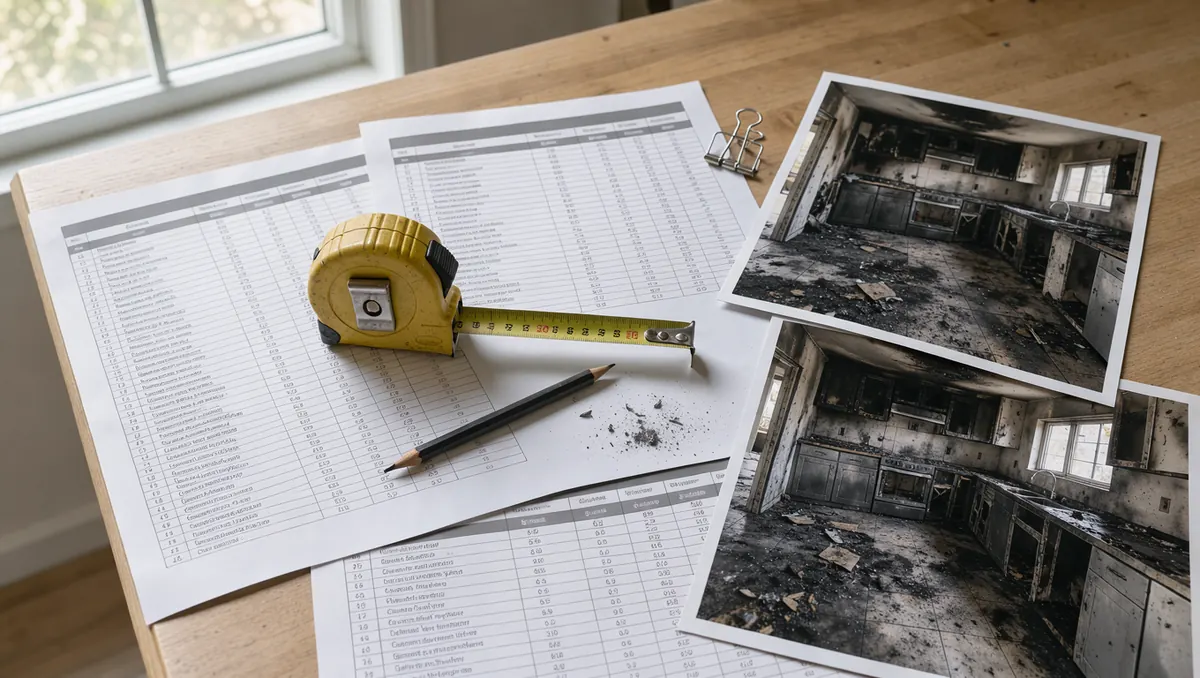
Appraiser vs. Adjuster: What Is the Difference?
An adjuster handles the claim: inspecting, documenting and negotiating. An appraiser is named under the appraisal clause in your policy after you and your insurer disagree on the amount of the loss. Each side names its own appraiser, and the two appraisers pick a neutral umpire. An award agreed to by any two of the three generally sets the amount. Appraisal is usually about how much, not whether something is covered.
Experience Is Everything
Like most professions, there is no substitute for experience. Here is what to look for:
- Proven experience handling property insurance claims, including homeowner, business and business interruption claims.
- Expertise in damage valuation, construction practices and building costs.
- Experience valuing structural damage.
- Experience documenting and valuing personal property.
- Knowledge of building codes, which can change a structural valuation dramatically.
- Skill with the estimating software insurance companies use.
- The ability to read and apply policy language.
- Relationships with outside experts such as structural engineers, valuation experts and forensic accountants.
- Most important: references and examples of prior appraisal awards.
Questions to Ask Before You Hire
- How many appraisals have you handled, and how many on claims like mine?
- Have you served as an umpire?
- How do you charge: hourly, flat fee or another way?
- Will you inspect the property yourself and prepare your own estimate?
- Do you have any relationship with my insurance company?
Read your policy’s appraisal clause too. It may require that each appraiser be “competent and impartial” and set deadlines for naming one.
A Seasoned Public Adjuster Can Be an Ideal Appraiser
Because they document, value and negotiate claims every day, experienced public adjusters often make strong appraisers. If a claim cannot be settled in the normal adjustment process, a public adjuster may recommend invoking appraisal. Depending on the policy and the state, the public adjuster who knows the claim may also be able to serve as your appraiser.
Appraisal Services and Consultation
The public adjusters and appraisers at Insurance Claim Consultants have handled property claims since 1990, and we have served as appraisers and umpires on fire, water, wind and hail claims. Learn more about our insurance appraiser services and umpire services, or read how appraisal works in Alabama.
Call us 24/7 at (800) 572-7914 to see if appraisal is right for your claim.
This article is general information, not legal advice. Appraisal clauses vary, so read your own policy.
Pro Tips from Flood & Water Insurance Claim Adjusters in Tampa
The recent flooding throughout Tampa Bay has caused significant flood damage to homes and businesses. Many property owners will likely engage the insurance claim process help to obtain the funds necessary to restore their homes or business to pre-loss conditions.
Filing this type of insurance claim requires a necessary steps to ensure the best and quickest settlement. Our flood and water insurance claim adjusters in Tampa have complied the following tips that every claimant can utilize without the professional help of a public adjuster. Read more
Tips: Recoverable Depreciation in Fire Insurance Claim Process
Every week, we get calls from policyholders who are confused and frustrated with their fire insurance claims. Some are ready to hire a public adjuster. Others just need a few tips to settle the claim on their own. One topic comes up again and again: recoverable depreciation.
What is recoverable depreciation? It is the part of a replacement cost claim that your insurance company holds back until you repair or replace the damaged property. The insurer first pays the actual cash value (the replacement cost minus depreciation), then pays the depreciation it held back once you show the work was done or the items were bought. In Florida, if your home is a total loss, the insurer must pay replacement cost on the dwelling without holding back depreciation (Section 627.7011, Florida Statutes).
A Common Story
A recent caller to our Tampa office had an electrical fire that badly damaged her home about 7 months before she called us. She had tried to handle the claim herself. The insurance company had paid only a small part of the claim and was asking for an extraordinary amount of paperwork before it would consider the rest.
Two things had gone wrong. First, the insurer applied depreciation rates that looked far higher than they should have been. Second, early in the claim she let the insurance company inventory and price her belongings. That set her claim on a downward path that is all too common. Do not hand over control of your contents claim!
How the Two Payments Work
- Replacement cost value (RCV): what it costs today to repair the damage or buy a new item of like kind and quality.
- Depreciation: the amount the insurer subtracts for age, wear and condition.
- Actual cash value (ACV): RCV minus depreciation. This is usually the first check.
- Recoverable depreciation: the amount held back that you can collect after you repair or replace.
For a Florida dwelling insured at replacement cost, the insurer must initially pay at least the actual cash value, less the deductible, and pay the rest as the work is performed and expenses are incurred. For personal property, Florida insurers must offer coverage that pays replacement cost without holding back depreciation, and may also offer coverage that pays actual cash value first and the rest as you replace items and send receipts (Section 627.7011). Check which one you bought.
7 Tips to Collect Your Recoverable Depreciation
1. Get a Complete Copy of Your Policy
Read the “Loss Settlement” section for both the dwelling and personal property. It explains whether you have replacement cost or actual cash value coverage and how and when the holdback is paid.
2. Build Your Own Contents Inventory
Do not let the insurer’s vendor price your belongings without your input. List every item with a description, brand, age, quantity, price and a link to the same or a similar item for sale today. Our guide on how to compile your personal property inventory walks you through it.
3. Challenge the Depreciation Rates
Depreciation should reflect the real age and condition of each item. A two-year-old sofa should not be depreciated like a ten-year-old one, and many items, like dishes or tools, lose little value over time. Ask the insurer how each rate was set.
4. Do Not Stop Too Early
Families almost always forget things. Go room by room, drawer by drawer and closet by closet. Everything counts, from toothpaste and food storage containers to pet food and couches.
5. Keep Every Receipt and Invoice
Proof of replacement is what releases the holdback. Keep receipts, contractor invoices and photos of the finished work, and send them in writing.
6. Ask About the Deadline
Many policies set a time limit to repair or replace and claim the holdback. Ask your insurer in writing what deadline applies and, if you need more time, ask for an extension in writing before it runs out.
7. Use the Broad Evidence Rule
Value can be supported with more than one source: receipts, photos, online prices, catalogs and expert opinions. Use them all.
When to Get Help
An experienced public adjuster can make a big difference in how a fire claim is valued and how fast the holdback is released. A well-documented claim usually means a quicker and larger settlement. Learn more in our fire damage claim checklist and on our fire insurance claim page.
Questions about recoverable depreciation on a fire, water or roof claim? Call our public adjusters 24/7 at (800) 572-7914.
This article is general information, not legal advice. Every policy is different, so check your own policy and the current Florida Statutes.
Hurricane Season is Upon Us – Know Your Adjusters!
Determining the value of a hurricane insurance claim can be challenging to decipher if you aren’t in the restoration or insurance claim industries. According to a CNN article, “tornado victims could face a long haul with insurers.” The article in-part addresses the settlements insurance companies offer compared to final settlement amounts negotiated.
If you have a storm damage claim or a hurricane insurance claim, the most important questions you need to ask are:
- Was I paid fair value for my hurricane damage?
- Did I receive payment for everything I was entitled to collect for under my policy of insurance?
These questions often remain unanswered in the event a policyholder doesn’t seek a second opinion from an experienced and qualified insurance claim professional. Read more
The Public Adjusters Help Hurricane Sandy Victims with Insurance Claims & More
The Public Adjusters have helped victims of every named storm in the United States since Hurricane Andrew in 1990.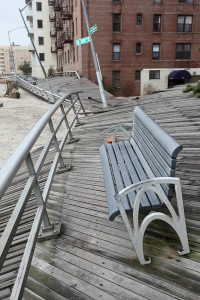 That
includes Hurricane Sandy – or Super Storm Sandy, as some call it – which caused such widespread damage when it made landfall on Oct. 29, 2012 in New Jersey, and continued to wreak havoc in New York, Long Island, and many other states, cities, and populated areas in the Mid-Atlantic Region well into early November of 2012.
Knowing that time is always of the essence for homeowners and business owners in the aftermath of a catastrophic weather event, The Public Adjusters jumped into action. We have a great deal of experience with residential and commercial insurance claims over the past 20-plus years of named storms in the Gulf of Mexico region and on the southeastern Atlantic coast. That experience gave us the knowledge required to be able to provide unique assistance for a large northeastern population of homeowners and business owners who had never before experienced the incredible force of a tropical system such as Hurricane Sandy.
Ronald Delo Elected to Texas Association of Public Insurance Adjusters Board of Directors
Houston (October 27, 2012) – Public insurance adjusters across Texas have teamed up to form the Texas Association of Public Insurance Adjusters (TAPIA). The organization elected its inaugural officers and board of directors.
TAPIA aims to promote professionalism and ethics within the public adjusting industry, and to protect the rights of Texas homeowners and businesses that have sustained an insured property loss.
Ronald Delo, President of Insurance Claim Consultants, dba The Public Adjusters, has been elected as a member of TAPIA’s board of directors. In addition to his involvement with TAPIA and as a licensed public adjuster in Houston, Ronald has served on various industry boards and panels to promote and improve the public adjusting industry over the past 25 years.
Insurance Claim Consultants Mobilizes to Help Businesses with Operations in the Philippines Navigate Complex Typhoon Haiyan Claims
U.S.-based businesses with operations in the Philippines are facing substantial losses from Super Typhoon Haiyan. Insurance Claim Consultants helps navigate complex Typhoon Haiyan Claims.
Tampa, Florida – Insurance Claim Consultants, a U.S.-based company with over 12,000 clients around the world, is mobilizing to help companies with operations in the Philippines navigate the insurance claims process in the aftermath of Super Typhoon Haiyan.
According to Ronald Delo, president of Insurance Claim Consultants, “Our company has very close ties to the Philippines. Several of our typhoon experts and partners have traveled extensively throughout the country and have family living there. One of our Filipino staff members is a licensed attorney who lives in Naga City. As typhoon and hurricane experts, we are ready to put our expertise to work. Our natural desire to help is strengthened by our personal ties with the Philippines.”
SERVICES
CLAIM TYPES
Industry Affiliation



Advertisements
This advertisement is made under the public adjuster licensure of Ronald F. Delo Florida License Number: A065774
